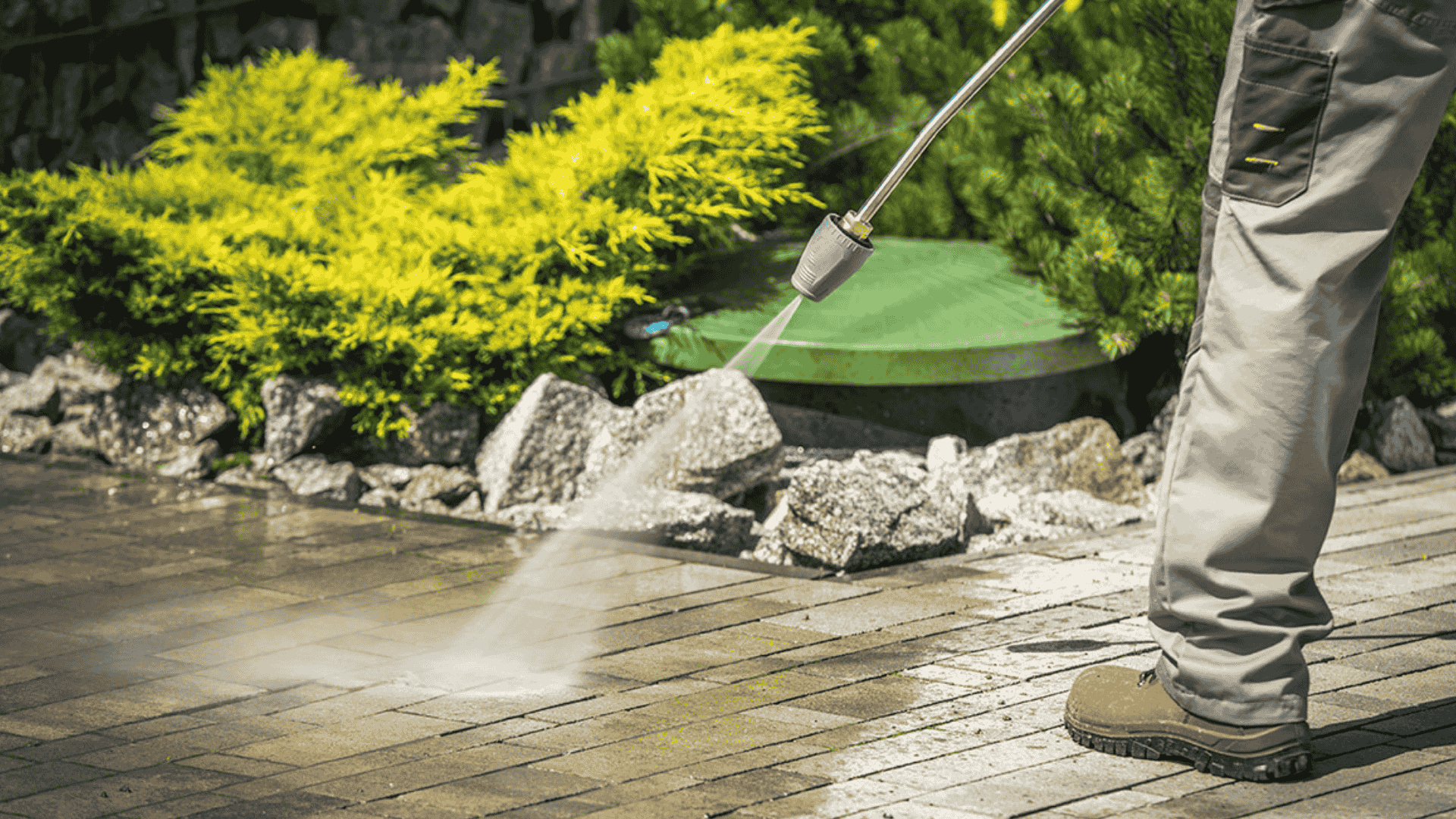
Why Pressure Washing Kills Plants
Residential and commercial pressure washers commonly operate at pressures ranging from 1,200 PSI to over 3,000 PSI. At those levels, the water stream functions more like a cutting tool than a cleaning tool. Plant tissue is simply not designed to withstand that kind of force.
Physical Damage to Plant Tissue
Even a brief, incidental pass of a high-pressure stream across a garden bed can cause multiple forms of plant damage. This kind of harm is immediate and often not fully visible until hours or days later when the plant begins to decline. The physical consequences include:
- Shredding of leaves and tearing of stems at the point of contact
- Snapping of younger or more flexible branches due to the impact force
- Stripping of protective waxy cuticle layers from leaf surfaces, leaving plants vulnerable to sun scorch and pathogen entry (University of Florida IFAS Extension)
- Displacement of mulch and topsoil that roots depend on for insulation and moisture retention
When protective leaf surfaces are stripped away, plants lose their primary defense against moisture loss. Even a brief water blast can leave a plant compromised in ways that show up as wilting, browning, or death over the following week.
Root Zone Damage and Soil Compaction
The damage from pressure washing does not stop at what you can see above ground. High-pressure water directed at soil near a plant's base can erode the root zone, expose shallow feeder roots, and compact the soil layer in ways that reduce oxygen availability to the root system. Healthy root function depends on adequate soil aeration, and disrupted soil structure can impair a plant's ability to absorb water and nutrients even when the plant itself appears visually intact after the wash.
Chemical Runoff Without Proper Protocols
Some pressure washing services do apply cleaning agents as part of their process. When those chemicals are applied with a high-pressure system and no plant protection protocols in place, the combination of saturating the root zone with concentrated runoff and physically damaging the plant creates conditions where recovery is unlikely. The problem is not that cleaning chemicals are inherently incompatible with plants. It is that without proper preparation, controlled application, and thorough rinsing, those chemicals can accumulate in soil or contact sensitive tissue in concentrations that cause lasting harm.
Read our blog about the hidden dangers of DIY pressure washing.
What Soft Washing Does Differently
Soft washing is a cleaning method that uses low-pressure water, typically under 300 PSI, combined with biodegradable, pH-balanced cleaning solutions to remove algae, mold, mildew, and biological growth from exterior surfaces. Because the chemistry does the cleaning work rather than brute water force, the application can be controlled precisely. That precision is what makes plant safe exterior cleaning possible when the job is done by trained professionals.
To understand the full difference between these two approaches, visit our residential services page for more detail on what the soft wash process includes.
The Role of Low Pressure in Protecting Landscaping
At under 300 PSI, the soft washing delivery system poses no meaningful physical threat to plant tissue. The water volume reaching any given area is controlled, the stream is not forceful enough to displace soil or strip leaf surfaces, and there is no risk of the mechanical damage described above. This is the foundational advantage of soft washing when it comes to gardens, flower beds, and established shrubs near your home's foundation.
The cleaning solutions do the heavy lifting by breaking down the cellular structures of organisms like algae, mold, and mildew at a molecular level. Because the chemistry works without needing high-pressure force, there is no need to drive water into the soil or blast anything in the surrounding landscape.
Understanding the Chemicals Used
Professional soft washing relies primarily on sodium hypochlorite, the same active ingredient found in household bleach, diluted to concentrations typically between 0.5% and 2% for most residential applications. At these diluted concentrations, sodium hypochlorite is effective at eliminating biological growth on surfaces while remaining manageable around landscaping when proper protocols are followed. Importantly, sodium hypochlorite naturally breaks down into salt and water after application, meaning it does not persist in the environment as a long-term hazard when properly rinsed and managed.
For a deeper look at the safety of bleach-based cleaning solutions and how professionals handle them responsibly, read our blog post on whether bleach is bad for cleaning houses.
The Johnson's Xtreme Softwash Plant Protection Process
At Johnson's Xtreme Softwash, protecting plants during house washing is built into every job. Our cleaning solutions are 100% eco-friendly with low VOC (volatile organic compound) emissions, and our process includes specific steps taken before, during, and after the wash to safeguard your landscaping. Here is how the four-step protection sequence works:
- Pre-soak all surrounding vegetation with clean water before any cleaning solution is applied
- Cover sensitive or high-value plants when needed to prevent overspray contact entirely
- Apply cleaning solutions using controlled, low-pressure delivery aimed precisely at target surfaces
- Perform a thorough rinse of cleaned surfaces and surrounding vegetation to neutralize and flush any residual solution
Each step builds on the one before it, creating multiple layers of protection rather than relying on any single precaution alone.
Pre-Soaking Vegetation
Before any cleaning solution is applied to your home's exterior, we thoroughly wet down all surrounding vegetation. This pre-soaking step is critical because it saturates plant tissue and soil with clean water, creating a dilution barrier. If any cleaning solution drifts onto a leaf or runs off into a garden bed, the plant's water-saturated cells and the water-loaded soil significantly reduce the concentration of any chemical that might make contact. Pre-wetting is one of the most effective and important steps in plant safe exterior cleaning.
Covering Delicate or High-Value Plants
Some plants are more chemically sensitive than others. Newly transplanted shrubs, certain flowering perennials, and plants with thin, delicate foliage may warrant additional protection beyond pre-soaking alone. In those situations, our technicians cover sensitive plants with appropriate sheeting or tarps to prevent any overspray from reaching them entirely. This step is especially important when:
- Cleaning is taking place on a windy day where drift is more likely
- Garden beds are located directly below or adjacent to a surface being cleaned
- The homeowner has identified plants with known chemical sensitivities
Controlled Application
Our technicians are trained to direct cleaning solutions precisely at the target surface. Unlike high-pressure spray that scatters and bounces, low-pressure soft wash application can be aimed accurately, reducing overspray and runoff toward surrounding landscaping. This controlled delivery is another layer of protection that pressure washing simply cannot offer.
Thorough Post-Wash Rinsing
After the cleaning solution has done its work and surfaces have been treated, we perform a comprehensive rinse of both the cleaned surfaces and the surrounding vegetation. This final rinse step serves two purposes: it removes cleaning solution residue from your home's exterior, and it flushes any chemical that may have contacted plant surfaces or soil. Rinsing is not optional. It is the step that completes the protection process and ensures no active solution remains on your property.
Does Soft Washing Hurt Landscaping When Done Professionally?
When the full four-step protection process is followed by a trained professional, soft washing should not harm your plants or landscaping. The question of whether soft washing safe for plants is the right approach to exterior cleaning comes down to who is doing the job and whether they are following proper protocols. A professional soft washing company that pre-soaks, covers sensitive plants, applies cleaning solution with precision, and rinses thoroughly is delivering a genuinely plant safe exterior cleaning experience. A company that skips those steps, or an inexperienced DIY applicator who does not understand the chemistry involved, can still cause plant damage even with a low-pressure system.
Frequently Asked Questions
Will pressure washing damage plants in my garden beds?
High-pressure washing near garden beds carries real risks to plants. The force of water at 1,200 PSI or higher can shred leaves, snap stems, displace soil, and expose root systems to drying and damage. Even brief incidental contact with a pressure washing stream can leave plants stressed or dying in the days that follow. If your flower beds or foundation shrubs are close to the surfaces being cleaned, pressure washing is not the safest choice.
Is soft washing safe for plants when done correctly?
Yes. When a professional soft washing technician follows a full plant protection protocol, including pre-soaking vegetation, covering sensitive plants, using controlled low-pressure application, and performing a thorough post-wash rinse, the process poses no meaningful risk to healthy landscaping. The low-pressure delivery and the biodegradable nature of properly diluted cleaning solutions both contribute to this safety profile.
What plants are most vulnerable during exterior house washing?
Plants with thin or waxy foliage, newly planted specimens, and plants that are already stressed by drought, disease, or root damage tend to be more vulnerable to both physical and chemical exposure during exterior cleaning. Tropical ornamentals, newly transplanted annuals, and certain flowering perennials may warrant extra protective measures. When scheduling service, let your technician know if you have plants you are particularly concerned about so they can plan accordingly.
How do I protect plants during pressure washing if I cannot avoid it?
If pressure washing is being used near landscaping, there are some steps that can reduce risk, although they do not eliminate it. Cover plants with tarps before work begins, water plants thoroughly before and after the wash, and ensure the technician keeps the spray wand directed away from beds as much as possible. That said, the most effective way to protect plants during exterior cleaning is to choose a soft washing method from a company that includes plant protection protocols in their standard process.
Does soft washing leave chemicals in my soil that could harm plants long-term?
When performed correctly by a professional, no. Sodium hypochlorite, the primary cleaning agent used in soft washing, naturally breaks down into salt and water. After proper rinsing, active compounds do not persist in soil at concentrations that harm plant roots. The key is thorough rinsing after each application, which is a standard part of professional soft washing service.
How can I learn more about Johnson's Xtreme Softwash's approach to safe exterior cleaning?
You are welcome to contact us directly to ask questions about our process before scheduling service. You can also visit our residential services page for an overview of everything we offer, or read more on our blog about topics like mold prevention and seasonal exterior care.
Choosing the Right Exterior Cleaning Method for Your Home
Plant protection is part of every job we do. Our eco-friendly, low VOC cleaning solutions and our step-by-step vegetation protection process mean that when we leave your property, your home looks better. If you are ready to try soft washing, reach out to us today to schedule your exterior cleaning and ask us about how we protect your plants throughout the process.